
Every year, news headlines report tragic accidents caused by brake failure—a reminder of how critical it is to maintain this essential safety component. Whether you’re navigating winding rural roads, driving through flash floods, or commuting in city traffic during a downpour, a responsive and reliable braking system is not optional—it’s lifesaving.
Over time, wear and environmental exposure can take a toll on even the best-engineered brake systems. Regular inspection and proper maintenance are the keys to preventing unexpected failures. This becomes especially important if you’re driving a vehicle that’s more than five years old, or has clocked high mileage under demanding conditions.
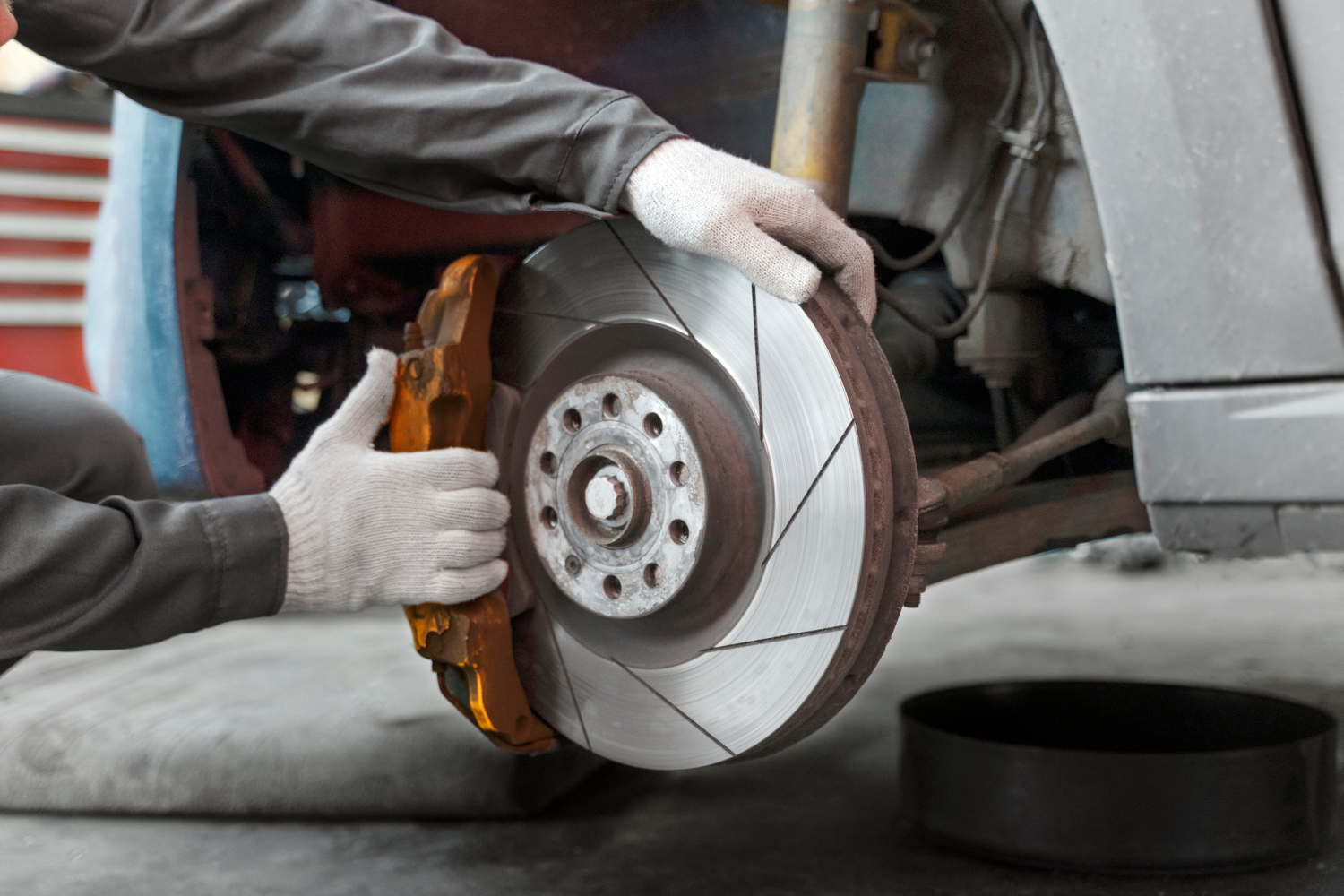
Why Brake Maintenance Should Never Be an Afterthought
Mechanical issues such as worn-out brake pads or low brake fluid may develop quietly, without obvious symptoms—until it’s too late. A properly maintained braking system ensures:
- Shorter stopping distances
- Greater vehicle stability
- Better traction in wet or slippery roads
- Peace of mind for you and your passengers
AFI Brake Manufacturing Sdn. Bhd., a trusted manufacturer and supplier of brake pads, brake discs, and related components, strongly advocates for preventive maintenance to keep drivers safe and vehicles performing at their best.
7 Essential Brake Maintenance Practices
1. Get Your Brakes Checked Regularly—Not Just When Problems Arise
It’s recommended to have your brakes inspected every 10,000 to 20,000 kilometres, or at least once a year—especially if your car is five years or older, or often driven in hilly, rainy, or stop-and-go conditions.
Certified workshops can help detect issues like:
- Uneven pad wear
- Rotor warping
- Fluid degradation
- Calliper malfunctions
Never wait for warning signs. Prevention is always more affordable—and safer—than repair.
2. Invest in Quality Brake Components
When replacing parts like brake pads or rotors, always choose high-quality, certified components. Low-cost alternatives may seem appealing, but they often wear out faster and compromise performance—especially under extreme conditions.
AFI Brake is committed to producing brake components that meet stringent quality and safety standards, trusted by both workshops and vehicle owners nationwide.
3. Keep an Eye on Brake Pad Thickness
Brake pads generally require replacement once they wear below 2mm in thickness. Many modern pads include a wear indicator clip that emits a screeching sound to alert you. Ignoring this warning not only reduces braking efficiency, but can also damage your rotors—leading to more costly repairs.
4. Don’t Underestimate Brake Fluid Health
Brake fluid is often overlooked, yet it plays a vital role in transferring braking force. Over time, it absorbs moisture, reducing its boiling point and effectiveness.
Use a brake fluid tester to determine its condition:
- Green = Safe
- Yellow = Monitor closely
- Red = Replace immediately
It’s advisable to flush and replace brake fluid every 2 to 3 years, or as recommended by your vehicle manufacturer.
5. Inspect Rotors for Thickness and Surface Integrity
Rotors should be checked for scoring, warping, or thinning. If the thickness is reduced by more than 10% of its original measurement (e.g. from 20mm to below 18mm), replacement is necessary.
A good workshop may recommend resurfacing the rotor surface once, but if vibrations or noise persist, a new rotor is the safest option.
6. Perform Proper Bedding-In After Pad or Rotor Replacement
After installation, always complete a bedding-in process:
- Accelerate to around 60 km/h, then brake gently down to 10 km/h.
- Repeat this cycle 10 times.
This helps transfer friction material evenly onto the rotor surface for optimal braking performance.
7. Listen to Your Car—And Your Mechanic
Never ignore these signs:
- Squealing or grinding noises
- A soft or spongy brake pedal
- Vibration when braking
- Vehicle pulling to one side
These symptoms often indicate underlying brake issues that should be diagnosed immediately by a professional.
A Note from AFI Brake Manufacturing Sdn. Bhd.
At AFI Brake, we understand that brake safety is not just about the parts—it’s about the people behind the wheel. Whether you’re a new driver or an experienced one, your brake system deserves the same level of care you give to other critical parts of your vehicle.
By choosing high-quality components and maintaining a consistent service schedule, you’re not only protecting your own safety, but contributing to safer roads for everyone.
Don’t Wait Until It’s Too Late
If your car is aging, or if you’ve noticed subtle changes in how your brakes respond, don’t delay. Schedule a brake system inspection with a trusted technician, and insist on quality parts that are built to last.
Because when it comes to brakes, cutting corners can cost lives—but taking the right steps today can make all the difference tomorrow.