
Brake pads may seem like small components, but they play a pivotal role in keeping vehicles—and the people inside them—safe. As the primary point of contact in the braking system, brake pads are responsible for converting kinetic energy into thermal energy, allowing vehicles to slow down or come to a complete stop. At AFI Brake, we understand that safety starts with reliable stopping power.

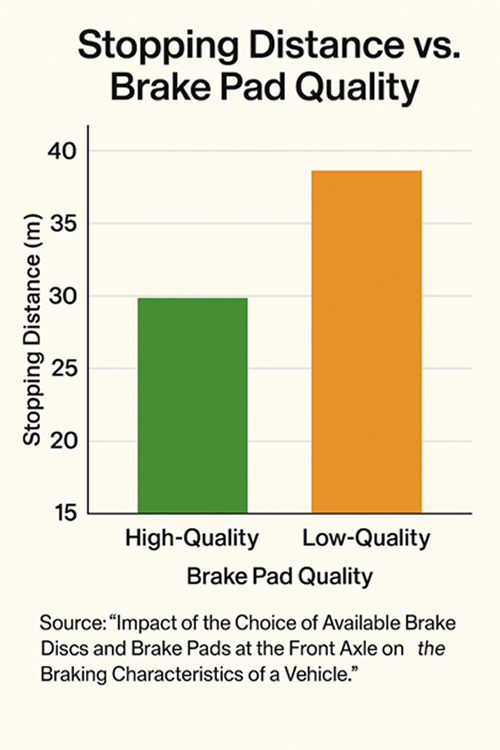
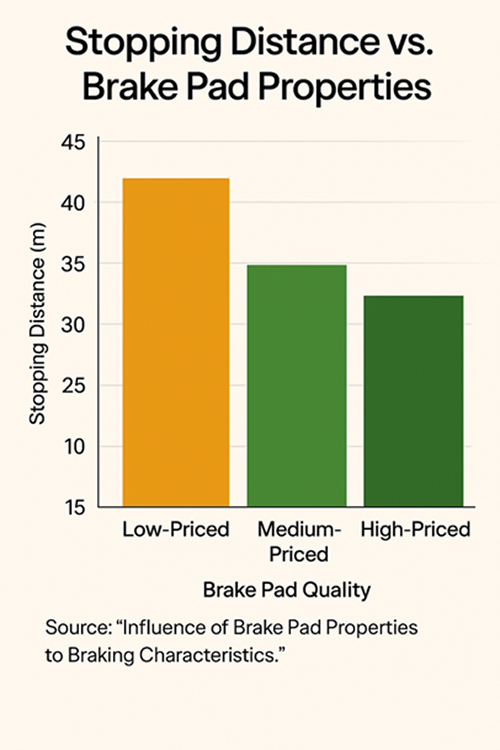
Brake Pads: The First Line of Defence in Emergency Stops
When a driver presses the brake pedal, it’s the brake pads that initiate contact with the brake rotors. This friction is what slows the wheels down. In emergency braking scenarios, the effectiveness of this friction can be the difference between a near miss and a serious accident.
High-quality brake pads provide:
- Consistent stopping power
- Shorter braking distances
- Stable performance under various conditions
Heat Management and Fade Resistance
Braking generates intense heat. Poor-quality brake pads can lose effectiveness when overheated a phenomenon known as brake fade. This compromises safety, especially in long downhill drives or during repeated braking in traffic.
AFI Brake pads are engineered with advanced formulations that:
- Withstand high temperatures
- Resist brake fade
- Maintain performance in demanding environments
Precision and Material Quality
Brake pads must meet exact specifications to ensure proper fit and performance. At AFI Brake, we apply strict manufacturing standards and select friction materials that meet both performance and durability requirements.
AFI Brake products undergo strict in-house and third-party tests to ensure consistency and performance in real-world conditions.
- Deliver uniform friction
- Minimise noise and vibration
- Reduce wear on both pads and rotors
Noise, Vibration, and Harshness (NVH) Control
A safe brake pad also contributes to a smoother, quieter ride. Unwanted noise and vibration can be signs of uneven wear or poor pad quality, which can affect driver confidence and control.
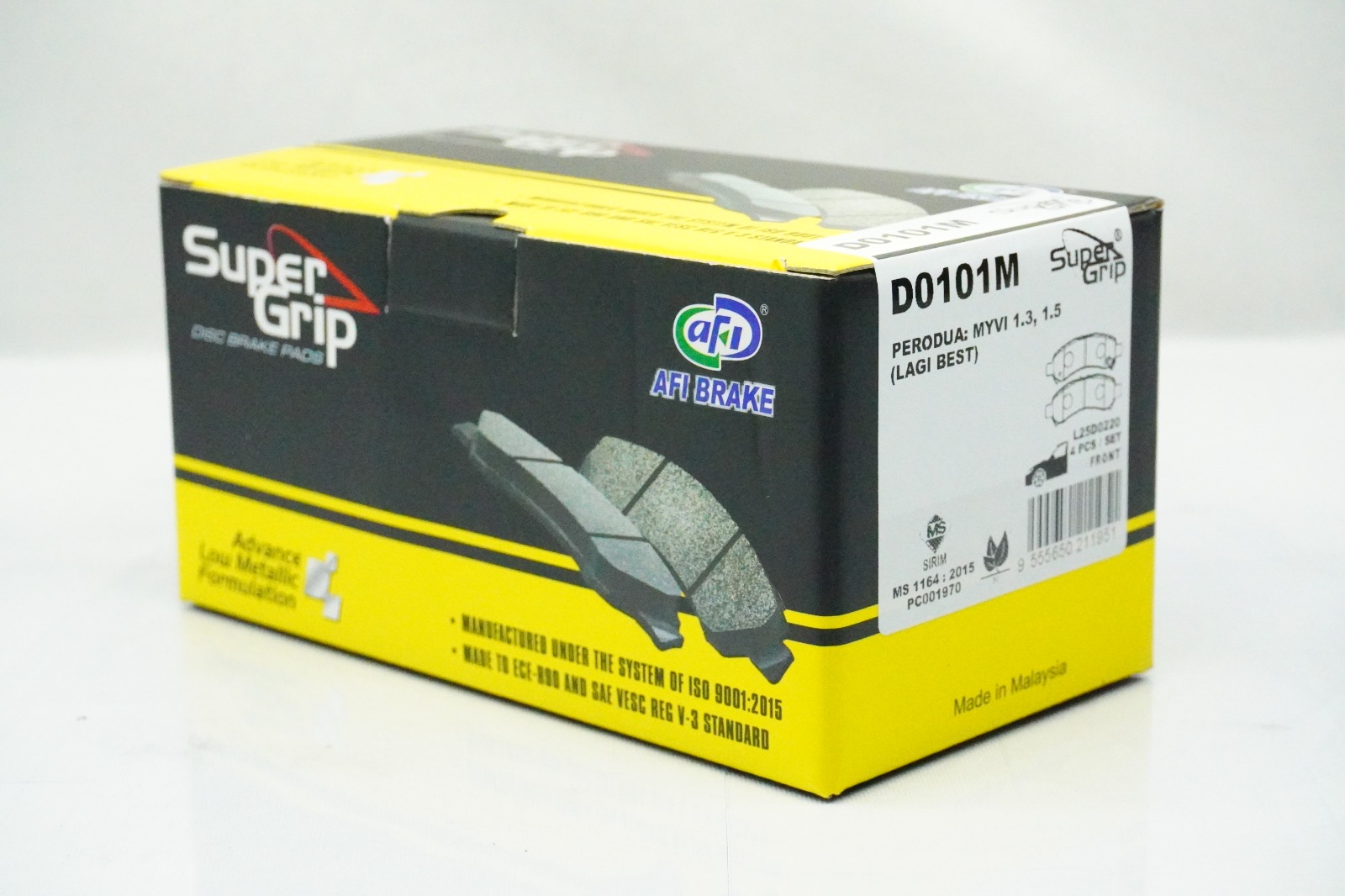
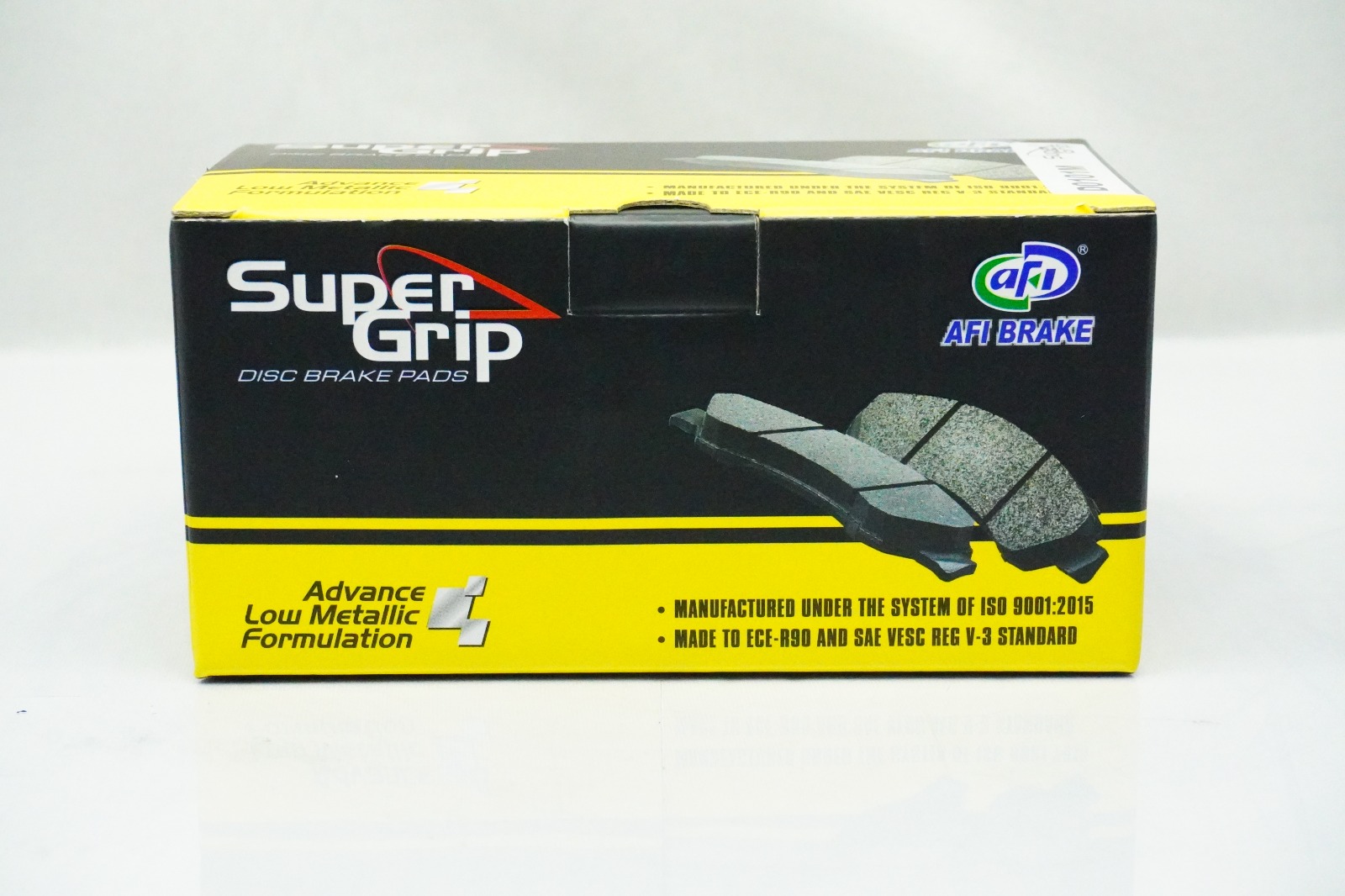
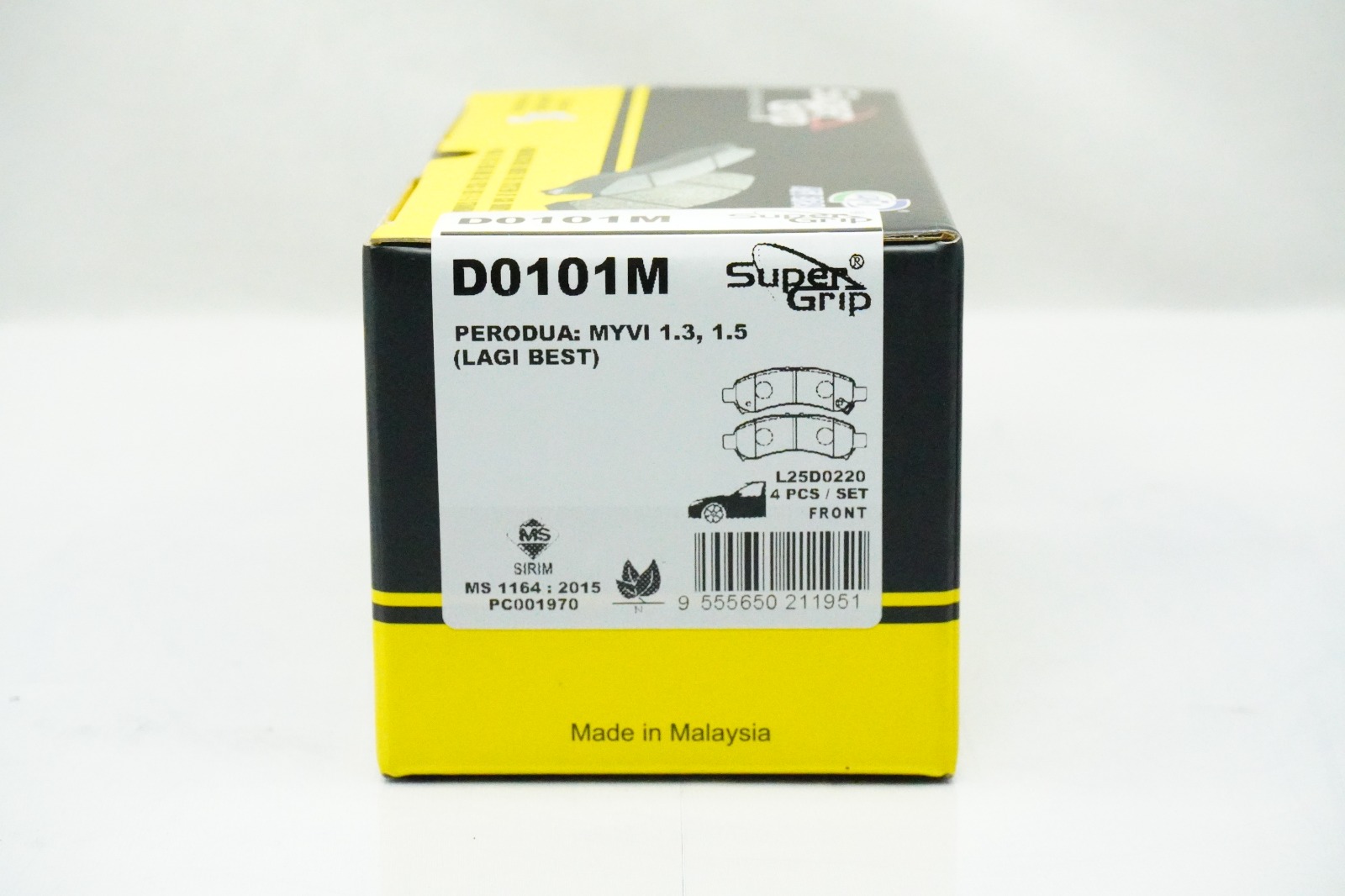
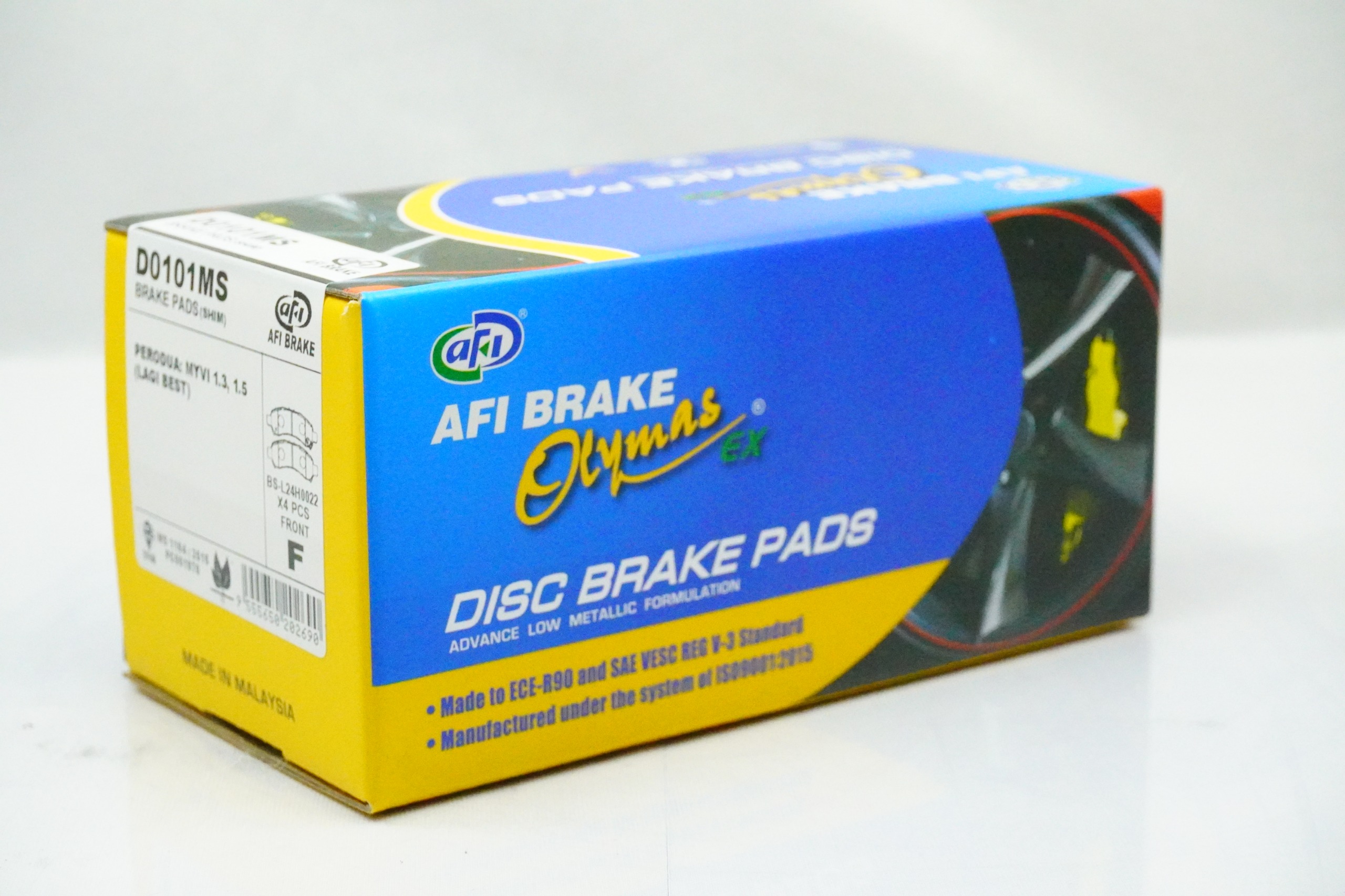
AFI Brake addresses NVH concerns by incorporating features such as specially designed shims in their OLYMAS EX brake pads, enhancing noise cancellation, vibration absorption, and heat isolation.
AFI Brake's Achievement: LeafMark™ Level N Certification
AFI Brake is proud to have received the LeafMark™ Level N certification, signifying that our brake pads contain less than 0.5% copper by weight. This milestone marks a significant achievement in our ongoing commitment to sustainability and innovation in friction material manufacturing.
Furthermore, their sport brake rotors feature curve slots that dampen vibration harmonics or noise, resulting in a quieter, more responsive braking experience.
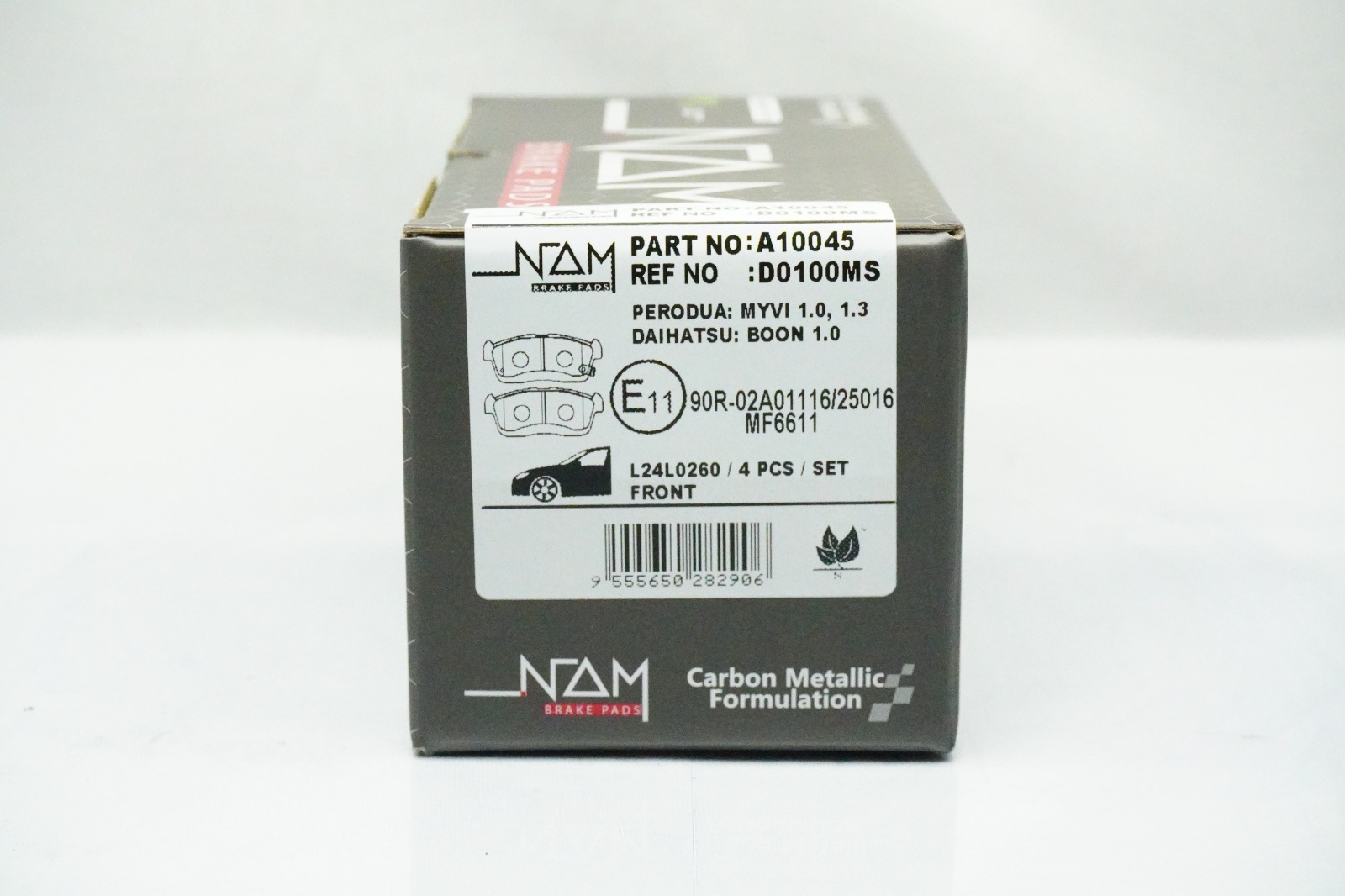
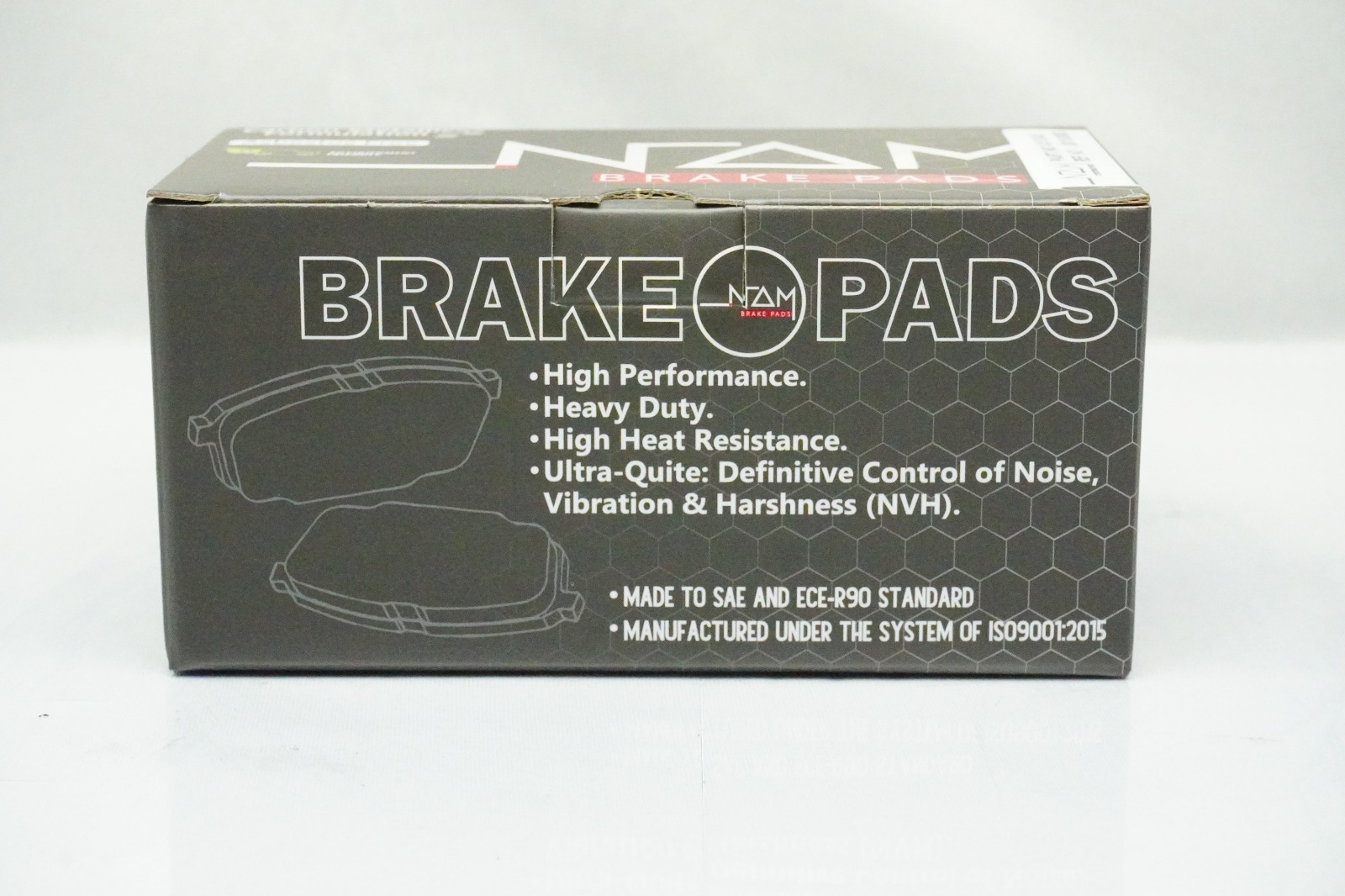
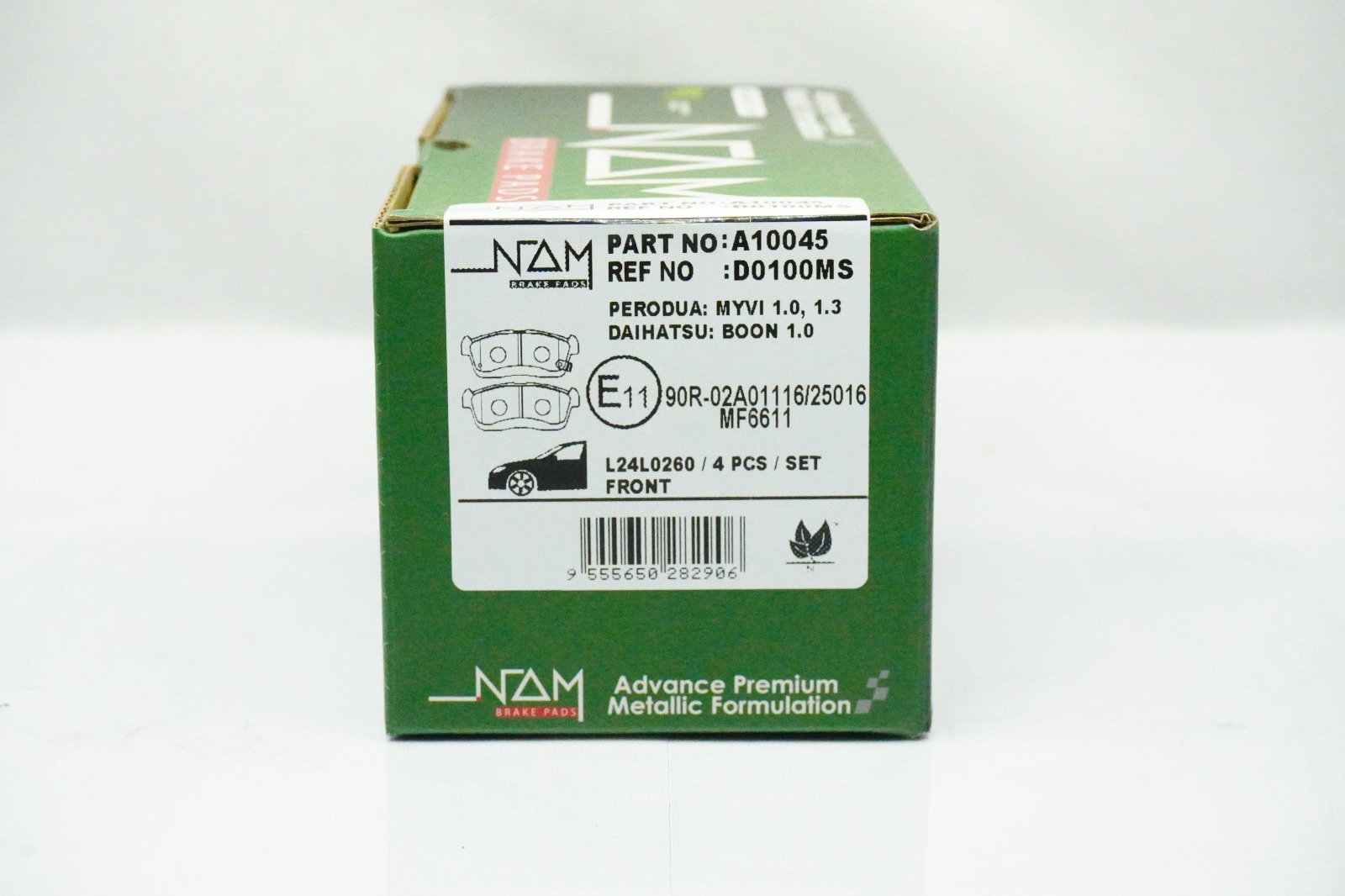
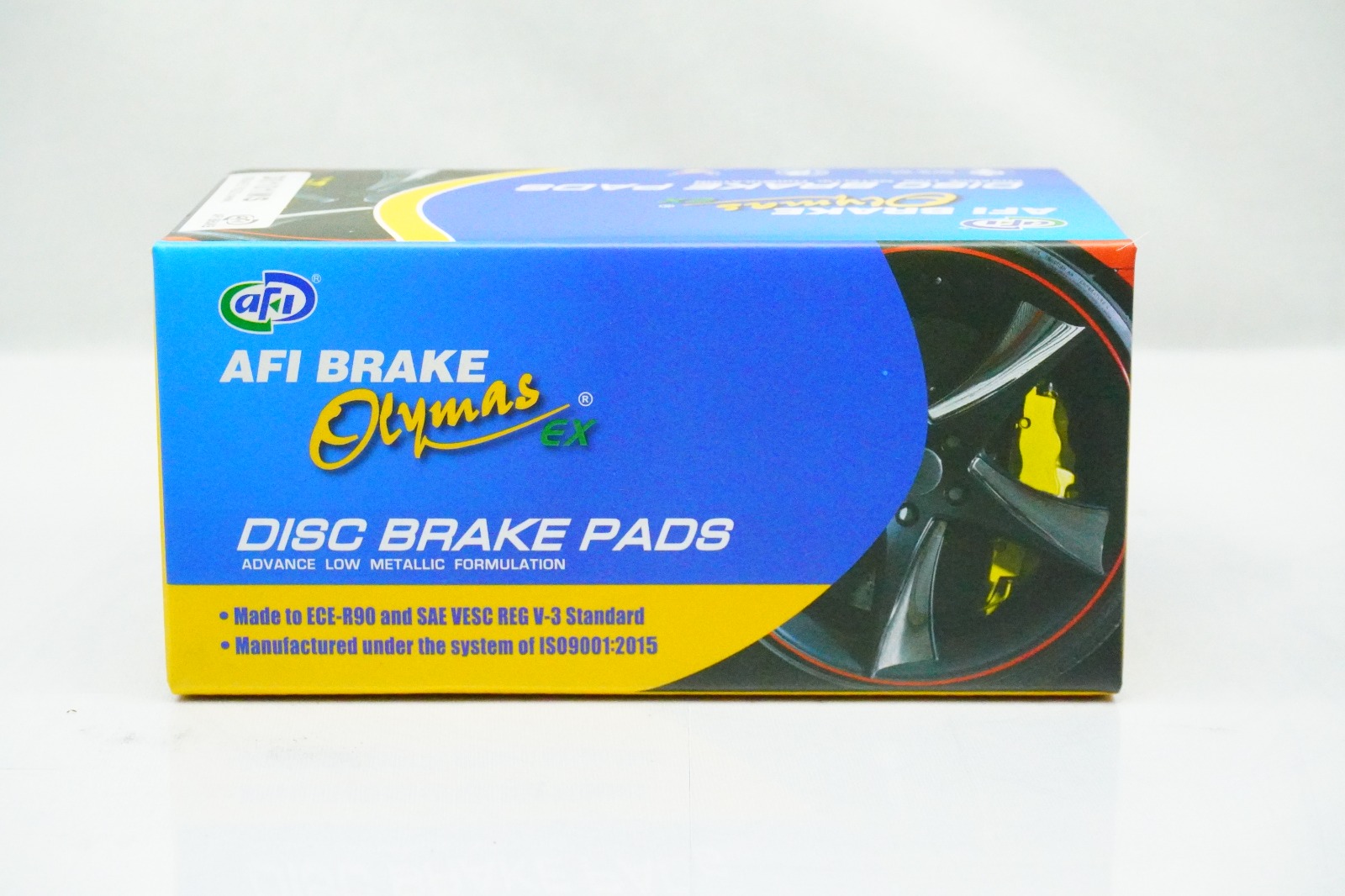
Regular Maintenance: A Critical Safety Measure
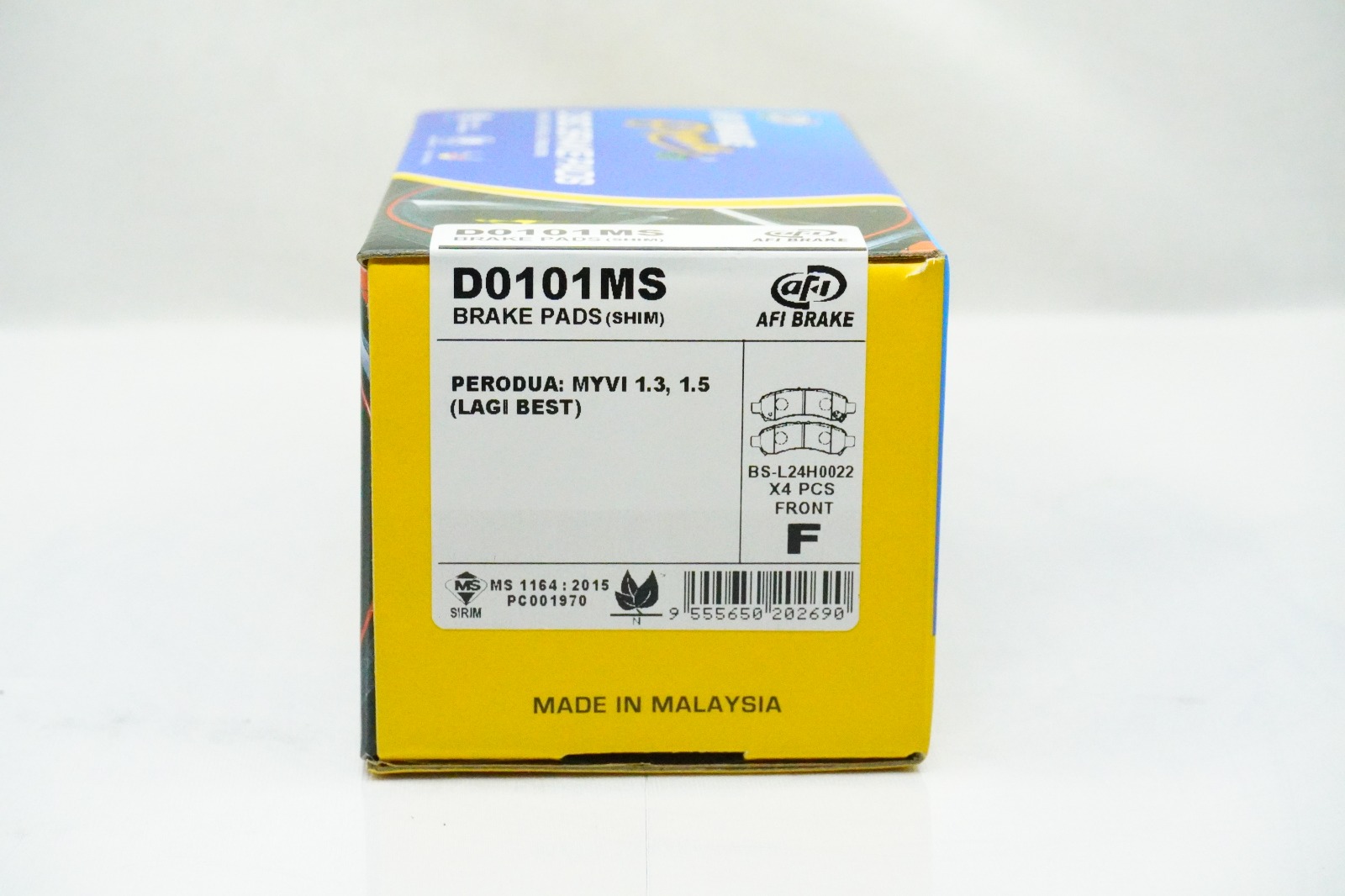
Even high-quality brake pads, are subject to wear and tear over time. Without regular checks, worn pads can severely reduce braking efficiency, increase stopping distances, and even lead to permanent rotor damage, which is costlier to repair or replace.
To maintain safe driving and protect your braking system, regular maintenance is essential.
Maintenance Tips & What to Look Out For:
- Inspect Brake Pads Every 10,000 km — Have your mechanic visually inspect the brake pads at every service interval (usually every 10,000 km or 6 months, whichever comes first). In some cars, you can also view the pads through the wheels.
- Replace When Thickness Falls Below 3mm — Brake pads typically start around 8–12mm thick. When they wear down to **3mm or less**, replacement is strongly recommended. Any thinner, and the pad’s ability to stop your car safely is compromised.
- Watch Out for Warning Signs: — These could indicate that your brake pads are worn and need immediate attention:
- Squealing or screeching noises: Often caused by wear indicators that signal the pads are too thin.
- Reduced braking performance: If your car takes longer to stop, especially in emergencies.
- Vibration when braking: Could suggest uneven wear or even rotor warping.
- Check for Brake Dust — Excessive brake dust build-up on wheels can also indicate accelerated wear. Some high-quality pads, like ceramic-based ones, generate less dust—another reason to invest in premium options.
- Dashboard Brake Light (if equipped) — Some modern vehicles are fitted with sensors that trigger a warning light when the brake pads are due for replacement. Don’t ignore this alert.
Brake pads are more than just a replaceable part—they are a critical safety component. At AFI Brake, we are committed to producing brake pads that not only meet but exceed industry safety standards. Because when it comes to vehicle safety, every stop matters.